

The Justice Department has dropped its investigation into Federal Reserve Chair Jerome Powell, removing the last major obstacle blocking President Trump’s pick to lead the nation’s central bank after federal judges twice rejected the probe for lack of evidence.
Story Snapshot
- DOJ ended probe into Powell over Fed headquarters renovation cost overruns after finding no evidence of wrongdoing
- Senator Thom Tillis conditioned his confirmation vote for Trump’s nominee Kevin Warsh on ending the investigation
- Federal judges blocked the DOJ probe twice before U.S. Attorney Janine Pirro acknowledged the lack of direct evidence
- Matter handed to Fed’s internal inspector general, who has been reviewing renovation spending since July 2025
Political Maneuvering Clears Path for Trump Nominee
U.S. Attorney Janine Pirro announced April 24, 2026, that the Department of Justice would no longer pursue its investigation into Federal Reserve Chair Jerome Powell regarding alleged mishandling of headquarters renovation cost overruns. The decision came after two federal judges dismissed the probe and DOJ agents were denied access to the construction site.
Senator Thom Tillis of North Carolina, whose vote is critical on the Senate Banking Committee given the GOP’s slim majority, had refused to advance Kevin Warsh’s nomination until the investigation ended. With the probe dropped, Warsh now has a clear path to confirmation as the next Fed chair.
Judicial Roadblocks Expose Weak Foundation
The DOJ investigation collapsed under repeated judicial scrutiny that revealed a troubling lack of substantive evidence. Federal judges knocked down the probe’s initial attempts, prompting Pirro to vow appeals that ultimately went nowhere.
The weakness of the case became undeniable when DOJ agents dispatched to the Federal Reserve construction site were turned away entirely.
Pirro’s eventual admission that no direct evidence of misconduct existed raises serious questions about why the investigation was launched in the first place, particularly given that Powell had already referred the matter to the Fed’s inspector general in July 2025.
DOJ drops Powell probe, smoothing path for Warsh to lead Fed https://t.co/dDY7dCfw6D pic.twitter.com/pavDank6mk
— Financial Post (@financialpost) April 25, 2026
Deep State Dynamics and Senate Power Plays
The saga illustrates how unelected officials and entrenched bureaucracies can obstruct elected leadership, while also demonstrating the leverage individual senators wield in America’s closely divided government.
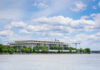
President Trump had accused Powell of mishandling the expensive renovations to the Marriner S. Eccles Building, yet the judicial system repeatedly found insufficient grounds to proceed. Meanwhile, Tillis exploited his Banking Committee position to extract political concessions, holding Trump’s Fed nominee hostage until getting his way.
Representative French Hill praised the probe’s end as giving “the president a clear path for a new Fed leader,” but the entire episode exposes a system where investigations launch without solid evidence and confirmations hinge on backroom deals rather than merit.
Inspector General Review Continues Amid Political Theater
While the DOJ probe has ended, the Federal Reserve’s inspector general continues an independent review of the renovation cost overruns that began in July 2025 at Powell’s own request. This internal investigation is “actively working” on a report expected to be released to Congress and the public, according to official statements.
The ongoing inspector general review suggests legitimate oversight questions remain about how taxpayer-funded construction projects at federal agencies are managed and monitored.
Critics argue this internal review should have been allowed to proceed without the political circus of a DOJ criminal probe that lacked evidence from the start. The distinction matters: accountability through proper channels versus weaponized investigations that serve political agendas.
Wall Street and Main Street Brace for Policy Shift
Kevin Warsh’s impending confirmation as Federal Reserve chair carries significant implications for monetary policy and the broader economy. As a former Fed governor and Wall Street banker, Warsh brings a different perspective than Powell, potentially signaling shifts in interest rate policy and regulatory approaches.
Financial markets are closely watching the confirmation process for clues about future Fed direction on inflation, employment targets, and banking oversight.
For ordinary Americans still struggling with the aftermath of inflation caused by years of fiscal mismanagement and questionable monetary decisions, the leadership change at the Fed represents either hope for better policy or fear of more experimentation with their economic livelihoods by unelected central bankers.
Sources:
‘Tillis won’: DOJ drops probe into Powell, Fed renovations – Politico