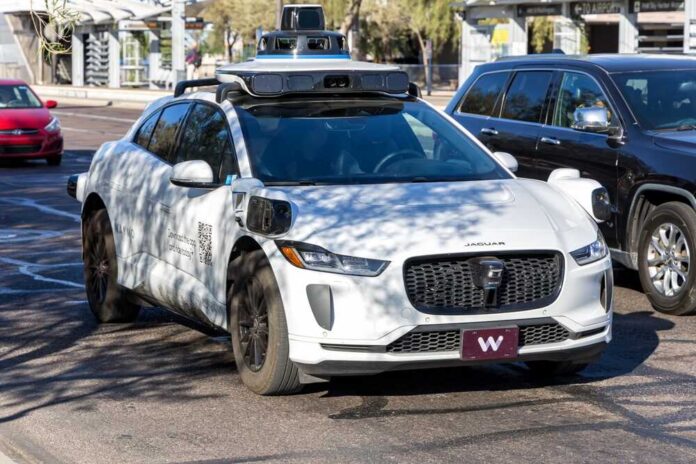
San Francisco’s power outage exposed a critical flaw in autonomous vehicle technology when Waymo’s driverless robotaxis froze in traffic, creating chaos while Tesla’s human-supervised vehicles continued operating normally.
Story Highlights
- Waymo’s driverless robotaxis stalled during San Francisco blackout, forcing service suspension
- Tesla’s human-supervised vehicles operated normally, highlighting safety of driver oversight
- Power outage affected 130,000 customers, revealing infrastructure vulnerabilities
- MIT expert warns cities aren’t ready for widespread autonomous vehicle deployment
Autonomous Vehicle Technology Fails During Crisis
Waymo suspended its driverless ride-hail service in San Francisco after widespread power outages on December 20, 2025, left multiple autonomous vehicles stranded in traffic. Videos shared on social media showed Waymo cars stopping in the middle of streets as non-functioning traffic signals created gridlock throughout the city. San Francisco resident Matt Schoolfield witnessed at least three stalled Waymo vehicles between 6 p.m. and 9:45 p.m., describing how “they were just stopping in the middle of the street.”
Power Grid Failure Exposes Infrastructure Weaknesses
The blackouts began at 1:09 p.m. Saturday and peaked two hours later, affecting approximately 130,000 Pacific Gas and Electric customers. A fire at a PG&E substation caused “significant and extensive” damage, leaving 21,000 customers without power by Sunday morning across the Presidio, Richmond District, Golden Gate Park, and downtown areas. This infrastructure failure demonstrated how dependent autonomous vehicles are on functioning electrical systems that traditional human-driven vehicles don’t require.
Tesla’s Human-Supervised Approach Proves Superior
While Waymo’s fully autonomous vehicles failed, Tesla CEO Elon Musk highlighted on X that “Tesla Robotaxis were unaffected by the SF power outage.” Tesla’s approach differs significantly from Waymo’s, requiring human drivers behind the wheel at all times with their “FSD (Supervised)” system. Unlike Waymo, Tesla hasn’t obtained permits for driverless operations in California, maintaining human safety supervisors ready to steer or brake when necessary.
Expert Warns Against Premature Autonomous Vehicle Rollout
MIT research scientist Bryan Reimer criticized the technology’s failure, stating “something in the design and development of this technology was missed that clearly illustrates it was not the robust solution many would like to believe it is.” Reimer emphasized that power outages are entirely predictable events and argued for maintaining “human backup systems in place around highly automated systems.” His assessment aligns with American Automobile Association survey data showing two-thirds of U.S. drivers fear autonomous vehicles.
Regulatory Oversight Needed for Public Safety
This incident underscores the need for stronger regulatory frameworks governing autonomous vehicle deployment. Reimer suggested that state and city regulators must determine maximum penetration levels for highly automated vehicles in their regions. The expert argued that autonomous vehicle developers should face the same accountability as human drivers for causing “chaos gridlock” during emergencies, protecting communities from technological failures that compromise public safety and traffic flow.