
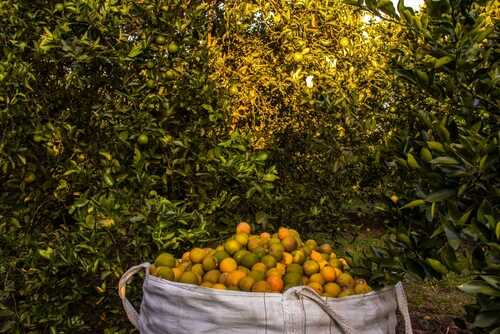
Florida’s citrus industry—already decimated by disease and storms—now faces its worst drought in a quarter-century, threatening the livelihoods of rural Americans and nearly a fifth of the nation’s citrus supply while government inaction leaves growers to fend for themselves.
Story Snapshot
- 100% of Florida is in drought, with over 75% experiencing extreme conditions—the worst crisis in 25 years
- Citrus acreage has collapsed from 800,000 to just 200,000 acres since 2000 due to greening disease, hurricanes, and freezes
- Growers face skyrocketing irrigation costs while battling incurable citrus greening that kills trees by blocking nutrients
- Innovative CUPS technology offers hope as growers deploy protective screens yielding 8,000-10,000 boxes per 10-acre pod
- Florida produces 17% of U.S. citrus, making this crisis a threat to national food security and rural economies
Record Drought Compounds Multi-Year Agricultural Crisis
Florida citrus growers are confronting a perfect storm of challenges as the U.S. Drought Monitor reports 100% of the state experiencing drought conditions, with more than 75% classified as extreme.
This represents the most severe drought in 25 years, hitting during the critical bloom period when adequate water determines fruit size and crop viability.
The Dundee Citrus Growers Association, Florida’s largest fresh fruit cooperative, which manages over 10,000 acres, must now run diesel- and electric-powered irrigation pumps continuously at extraordinary expense.
Bill Bohde, DCGA’s Agronomy Director, emphasizes that water during bloom is absolutely critical, making this drought’s timing particularly devastating for growers already operating on razor-thin margins.
Florida drought deepens strain on citrus industry as growers battle costs, disease https://t.co/Qb9YcXjPwd
— FOX Business (@FoxBusiness) March 12, 2026
Industry Collapse Reflects Government Failure to Protect Agriculture
The numbers tell a sobering story of American agriculture under siege. Florida’s citrus acreage has plummeted from over 800,000 acres in 2000 to approximately 200,000 acres today—a 75% collapse that represents not just lost production but also the destruction of generational family businesses.
Citrus greening disease, first detected in 2005, remains the primary culprit with no cure available despite years of promises. Multiple hurricanes and freezes have compounded the devastation, yet federal support remains inadequate for growers who provide 17% of the nation’s citrus supply.
USDA data shows grapefruit production down 8%, though lemons increased 4%. This industry sustained rural communities across Polk County and beyond, serving as economic lifelines now hanging by a thread, while bureaucrats offer statistics instead of solutions.
American Innovation Fights Back Against Natural Disasters
While government agencies dither, Florida growers demonstrate the American spirit of innovation and resilience. The Dundee Citrus Growers Association has invested in Citrus Under Protective Screens technology, deploying 10-acre protective tents equipped with precision irrigation emitters that continuously monitor soil moisture.
These CUPS pods yield 8,000-10,000 boxes each and accelerate tree growth compared to traditional open groves, offering protection from both drought and disease.
Steven Callaham, DCGA’s EVP and CEO, maintains an optimistic outlook despite identifying greening as the number one challenge and hurricanes as secondary threats.
His persistence exemplifies the determination of rural Americans who refuse to abandon their land despite obstacles that would defeat lesser people. This innovation-driven approach succeeds where government programs fail.
Economic Security and Food Supply at Stake
The stakes extend far beyond Florida’s borders. Jennifer Schaal, DCGA’s VP of Finance, describes citrus as a “lifeline” for thousands of Florida families whose livelihoods depend on this industry.
The state produces roughly 20% of U.S. grapefruit and 17% of total citrus, making production declines a national food security concern.
Short-term impacts include surging irrigation costs and reduced yields, pushing orange juice prices higher for American families already battered by inflation from the previous administration’s reckless spending.
Long-term implications are even graver: continued acreage loss threatens industry viability unless innovations like CUPS can scale rapidly. Rural communities dependent on citrus face potential economic collapse, yet federal assistance remains inadequate.
This crisis demands recognition that American agriculture deserves protection from natural disasters and foreign competition alike.
Grower Determination Offers Path Forward
Despite overwhelming challenges, Florida citrus growers refuse to surrender. Callaham’s statement—”If I wasn’t optimistic, I would not be in citrus”—captures the mindset of Americans who built this nation’s agricultural powerhouse through determination and hard work. The CUPS technology demonstrates that private sector innovation, not government mandates, provides real solutions to complex problems.
Trees grown under protective screens show faster development and higher productivity, proving that American ingenuity can overcome even incurable disease and historic drought.
While forecasts through 2035 remain uncertain and dependent on continued innovation, growers are adapting rather than waiting for bureaucratic rescue.
Their resilience deserves support through policies that reduce regulatory burdens, cut energy costs, make irrigation affordable, and prioritize American food security over globalist trade schemes that advantage foreign producers.
Sources:
Florida drought deepens strain on citrus industry as growers battle costs, disease – Fox Business
Florida Citrus Growers Battle Drought, Costs and Disease – National Today
Florida’s Worst Drought in 25 Years Puts Citrus Industry Under Severe Strain – IndexBox
Florida drought slashes citrus supply: Rising costs and disease squeeze growers – ECIKS