
President Trump has publicly rebuked NATO allies for their refusal to join the Iran military campaign, declaring America “never needed them” while simultaneously demanding they secure critical oil shipping routes that Iran has effectively blockaded.
Story Snapshot
- Trump claims total U.S. victory over Iran while threatening NATO’s future over allied reluctance to deploy warships
- Iran’s blockade of the Strait of Hormuz threatens 20% of global oil supply, driving prices toward potential recession levels
- Canada and UK explicitly refuse offensive engagement despite Trump’s pressure, exposing alliance fractures
- Experts warn Iran prepared for this confrontation over 20 years, contradicting Trump’s claims of quick victory
Trump Demands Allied Support While Claiming Independence
President Trump delivered contradictory messages on Truth Social, proclaiming the United States has “beaten and completely decimated Iran, both Militarily, Economically, and in every other way,” yet immediately demanding that countries benefiting from Hormuz Strait oil shipping must “take care of that passage” with American assistance.
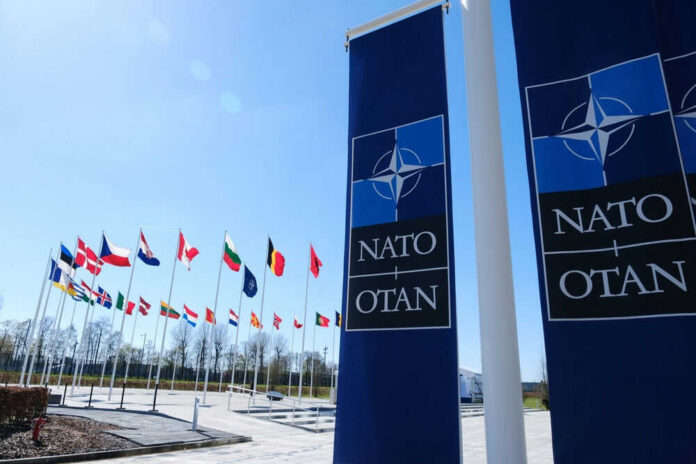
This represents a fundamental tension: if America achieved total victory, why does securing a single waterway require urgent international military support? Trump’s warning to NATO that insufficient response would be “very bad for the future” of the alliance reveals the economic pressure driving his demands, not military necessity.
President Trump lashed out at NATO countries and US allies for not joining the Iran War effort as the Strait of Hormuz remains all but impassable for commercial shipping.
“This was a great test because we don’t need them, but they should have been there” https://t.co/CRYyC1ED1A pic.twitter.com/H7CGHvlI3Q
— Bloomberg (@business) March 17, 2026
Economic Consequences Drive Urgency Behind Rhetoric
Iran’s effective closure of the Strait of Hormuz creates severe economic leverage that contradicts Trump’s victory narrative. The waterway handles approximately 20 percent of the world’s oil and natural gas supply, and Iranian Foreign Minister Abbas Araghchi declared it “open, but closed to our enemies.”
Atlantic Council CEO Fred Kempe warns each day of closure adds three to five dollars per barrel to oil prices. If the blockade continues six weeks, prices could reach one hundred fifty dollars per barrel, triggering global recession. This economic reality explains Trump’s simultaneous claims of triumph and desperate calls for allied naval forces to police the strait.
Allied Nations Refuse Offensive Engagement
Trump’s pressure campaign has failed to secure meaningful military commitments from traditional allies. Canada explicitly stated it will provide “assistance, but we will not be engaging offensively in this war,” directly contradicting Trump’s demands for active combat participation.
Trump singled out British Prime Minister Keir Starmer for criticism, noting the UK “didn’t want to come” despite being America’s “number one ally.” This allied reluctance reflects legitimate concerns about escalation and humanitarian consequences.
Multiple nations issued joint statements condemning potential Israeli ground offensives that could cause “devastating humanitarian consequences and lead to a protracted conflict,” demonstrating allies prioritize restraint over Trump’s expansive objectives.
Expert Analysis Contradicts Quick Victory Claims
The Institute for the Study of War assessed military progress as “relatively positive” but cautioned that achieving objectives requires extended time and warned “it’s too soon” to forecast outcomes.
Regional expert Sina Azodi noted Iran prepared for this confrontation over twenty years and successfully leveraged geographic advantages, observing “Iranians have been more successful in pushing or kind of creating chaos.”
Experts estimate clearing the Strait of Hormuz would require a four-week campaign to remove missiles, drones, fast attack craft, and mines. Trump’s mixed messaging at various events, claiming the war is both “nearly over” and requiring “ultimate victory,” undermines credibility and suggests the administration underestimated Iran’s capabilities and strategic patience.
Trump slams NATO allies for not joining Iran war effort, says U.S. never needed their help https://t.co/3v5YydOzga
— CNBC (@CNBC) March 17, 2026
This situation exposes the consequences of unilateral military action without allied consensus. Trump’s threats to NATO’s future over burden-sharing concerns reveal transactional thinking that undermines the mutual defense principles conservatives traditionally championed.
The economic pain from Iran’s blockade demonstrates how military victories mean little when adversaries control strategic chokepoints. Rather than acknowledging these realities, the administration oscillates between premature victory declarations and coercive demands on allies who correctly recognize the risks of deeper involvement in an expanding conflict lacking clear objectives or exit strategy.
Sources:
Donald Trump Warns NATO, China and the Press as Iran War Hits Day 17
Trump gives mixed messages about war’s end