
Bill Clinton’s “I did nothing wrong” defense just collided with hard timelines, flight records, and sworn testimony—exactly the kind of elite accountability Americans were told for years was “off-limits.”
Story Snapshot
- Former President Bill Clinton testified to the House Oversight Committee on Feb. 27, 2026, after the late-January release of new Epstein-related files.
- Clinton told lawmakers he “saw nothing” and “did nothing wrong” regarding Jeffrey Epstein, a convicted sex offender who died in custody in 2019.
- Records summarized in reporting show Epstein visited the White House during the Clinton years, and Clinton later took multiple trips on Epstein’s private jet for foundation-related travel.
- The released material described some FBI allegations as “not credible,” and no public charges have been filed against Clinton tied to Epstein.
What Clinton Told Congress—and What the Committee Is Actually Testing
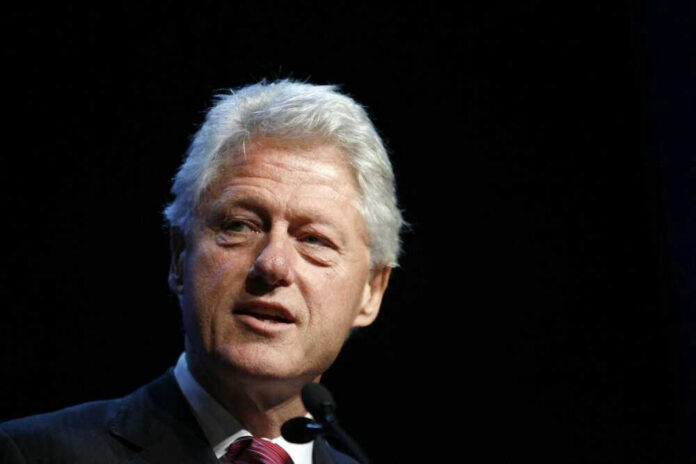
Bill Clinton’s Feb. 27, 2026 appearance before the House Oversight Committee put a long-simmering public question into a formal setting: what he knew, when he knew it, and why he kept company with Jeffrey Epstein.
Clinton’s core claim stayed consistent—he said he “saw nothing” and “did nothing wrong.” The hearing followed the Jan. 30, 2026 release of Epstein files that revived scrutiny and prompted renewed demands for answers.
Rep. James Comer, the committee’s Republican chair, pressed for clarity on statements and implications surrounding the Epstein files and Clinton’s public posture.
Reporting indicates Clinton pushed back on a claim that his remarks suggested he had never seen anything that would make him think President Trump was involved with Epstein.
That exchange mattered politically because it underscored how quickly Epstein-related disclosures become a proxy fight, even when the hearing’s stated purpose is oversight and fact-finding.
The Documented Touchpoints: White House Logs, Donations, and Jet Travel
Available reporting lays out concrete points that are difficult to wave away with broad denials. White House visitor logs reviewed by ABC News indicate Epstein signed in 17 times between 1993 and 1995, and that he made multiple visits during Clinton’s presidency.
Financial links also appear in the record: Epstein donated to Clinton’s 1992 campaign, contributed to a 1999 joint fundraising effort connected to Democrats and Hillary Clinton, and an Epstein-related foundation later donated to the Clinton Foundation.
Travel has remained central because it is measurable. Multiple sources summarized in the research say Clinton took four trips on Epstein’s private jet in 2002–2003—one to Europe, one to Asia, and two to Africa—connected to Clinton Foundation work, accompanied by staff, supporters, and Secret Service agents.
Clinton’s last known trip on Epstein’s plane is reported as November 2003. Those details do not establish criminal wrongdoing by Clinton, but they do establish proximity, access, and judgment questions.
Bill Clinton tells lawmakers he ‘did nothing wrong’ and saw no signs of Epstein’s abuse: https://t.co/r94vPDt7Or
— The Virginian-Pilot (@virginianpilot) February 27, 2026
Sworn Declarations Add Nuance—And Highlight Memory Gaps
In January 2026 sworn declarations to the committee, Clinton said Epstein “may very well have attended” White House events, and may have been among the “tens of thousands” photographed with him, while also saying he did not recall encountering Epstein or any specific interaction during his time in office.
Clinton also declared he had no idea about Epstein’s or Ghislaine Maxwell’s criminal activities. Hillary Clinton separately stated she had no responsibility for, or involvement in, DOJ handling of the Epstein and Maxwell matters.
What the Epstein Files Did—and Did Not—Prove About Clinton
The Jan. 30, 2026 Epstein files release included information that the FBI had secretly investigated Epstein-related allegations involving Clinton, with some allegations characterized as unverified and “not credible.”
That point cuts both ways: it undercuts sensational claims that cannot be supported, while also confirming federal interest existed behind the scenes. The publicly available bottom line in the research is straightforward—no charges have been filed against Clinton tied to Epstein based on what has been disclosed.
Why This Hearing Resonates Now: Equal Justice, Oversight, and Public Trust
For Americans who watched years of selective enforcement and “two-tier” narratives in politics, the significance of this episode is the process itself: Congress used oversight power to demand direct answers from a former president about documented associations with a convicted sex offender.
The research also notes a real limitation—much of the FBI’s underlying material remains confidential, leaving the public with characterizations rather than full transparency. That gap keeps distrust alive and makes continued document releases politically combustible.
The hearing also illustrates how easily high-profile investigations drift into partisan trench warfare. Clinton’s testimony, Comer’s questioning, and competing insinuations about other political figures show why Americans often feel the system protects insiders while punishing everybody else.
The available sources do not establish criminal conduct by Clinton in connection with Epstein, but they do document repeated contact over years—exactly the kind of association that would end many ordinary Americans’ careers.
Sources:
Relationship of Bill Clinton and Jeffrey Epstein
Timeline: Bill Clinton’s interactions with Jeffrey Epstein
What Sky News has uncovered about Bill Clinton and Jeffrey Epstein’s relationship