

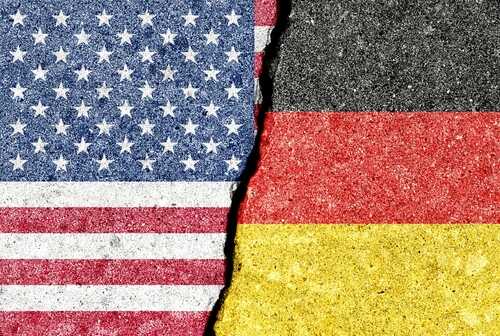
President Trump just announced America might pull more troops from Germany, and NATO’s foundational trust hangs in the balance.
Story Snapshot
- Trump signals potential troop cuts in Germany via Truth Social, promising a decision “in the short term”
- Move echoes 2020 withdrawal of nearly 10,000 troops, motivated by NATO burden-sharing disputes
- Foreign policy experts warn cuts undermine deterrence and signal U.S. unreliability to allies and adversaries
- Germany hosts approximately 35,000 American troops, serving as a critical hub for NATO operations
- Decision comes amid broader pattern of reduced U.S. commitments to traditional European allies
The Burden-Sharing Battle Returns
Trump’s Truth Social announcement resurrects a familiar grievance from his presidency. The United States maintains roughly 35,000 troops in Germany, a presence rooted in post-World War II deterrence strategy.
Trump views this deployment through a transactional lens: Germany doesn’t pay its NATO dues, so why should American taxpayers foot the bill?
Former Ambassador Richard Grenell championed this position during Trump’s first term, amplifying complaints that Germany freeloads on American security guarantees.
The tension isn’t new, but this latest threat arrives at a precarious moment for European security.
Trump says that he's is weighing reducing American troop presence in Germany after Iran feud https://t.co/COwlVVIh40
— The Washington Times (@WashTimes) April 30, 2026
History Repeats With Higher Stakes
June 2020 saw Trump order the withdrawal of nearly 10,000 troops from Germany, capping the presence at 25,000.
Foreign policy analysts at the Council on Foreign Relations and Brookings Institution called that decision reckless and spite-driven, targeting Chancellor Angela Merkel rather than serving strategic interests.
Some forces relocated to Poland and other NATO sites, but the message was clear: America’s commitment wasn’t guaranteed.
Now Trump floats another reduction, though details remain vague. The 2025 Romania drawdown of 1,000 troops without replacement suggests a pattern of diminishing U.S. footprint across Europe.
Strategic Consequences Nobody Wants
Germany serves as America’s European operational hub, enabling rapid response to crises and logistical support for deployments worldwide.
Cutting troops doesn’t just affect bilateral relations; it broadcasts weakness to adversaries. Russia watches these decisions carefully, gauging NATO’s cohesion amid tensions over Ukraine.
The Council on Foreign Relations warns that unilateral cuts betray allies and signal America won’t honor Article 5 mutual defense commitments.
Brookings researchers concur, noting even if Germany remains a hub, reduced presence diminishes deterrence capability and fragments alliance trust.
The Common Sense Perspective
Trump’s frustration with NATO burden-sharing deserves consideration. Germany and other European allies have historically underinvested in defense, relying on American muscle while criticizing American policy. That imbalance isn’t fair to American taxpayers or servicemembers.
However, timing matters. Withdrawing forces while Russia threatens European stability and China challenges global order risks catastrophic miscalculation. Allies need certainty, not surprise announcements via social media.
The Hudson Institute acknowledges this tension: troop reductions might prompt allies to rethink spending, but poor timing undermines the intended lesson.
Winners and Losers
German communities hosting American bases face economic disruption if troops leave. U.S. military families endure relocation stress.
Eastern European nations like Poland might gain repositioned forces, but overall, NATO readiness suffers from a fragmented presence.
Political fallout extends beyond Germany: every NATO member questions the United States’ reliability.
Defense analysts note that this pattern fits Trump’s reduced-commitment approach, as documented by the European Policy Center.
Congress technically requires certification of European troop reductions, but precedent shows that executive authority often bypasses legislative oversight, concentrating decision-making power with the president.
What Comes Next
Trump promised a decision in the short term, but specifics remain absent. Will cuts mirror the 2020 scale, or go deeper? Where would forces relocate, if anywhere? Germany’s response will shape outcomes.
If Berlin increases defense spending substantially, Trump might claim victory and maintain presence. If Germany resists, cuts become more likely. NATO’s broader cohesion faces a stress test either way.
American voters should ask whether pressuring allies through surprise withdrawals serves long-term security interests, or whether consistent diplomacy backed by a steady presence better protects American values and strategic positioning against authoritarian powers.
Trump says U.S. may cut the number of American troops in Germany #Trump #USAGermany #MilitaryReduction #ForeignPolicy #NATO https://t.co/wrlifgNxle
— Celebrity-Daily (@curious_media) April 30, 2026
The coming weeks will reveal whether Trump’s announcement represents leverage in negotiations or a genuine policy shift. NATO survived its first term’s turbulence, but alliances require trust, built over decades and destroyed in moments.
Germany may not be a perfect partner, but Russia and China would celebrate America’s self-inflicted wounds to transatlantic unity.
Conservative principles favor strong alliances forged through shared sacrifice, not hasty retreats driven by short-term pique.
America remains strongest when allies trust our commitments, even when demanding they shoulder greater burdens.
Sources:
Trump’s Sudden and Dangerous Troop Withdrawal from Germany – Council on Foreign Relations
Why cutting American forces in Germany will harm this alliance – Brookings Institution
US Troop Reduction in Europe: A Wake-Up Call for Allies – Hudson Institute