

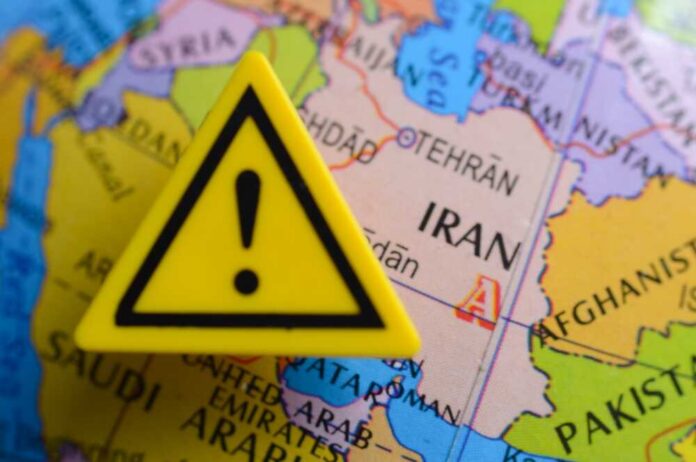
Iran’s brazen rejection of President Trump’s 15-point peace plan drags America deeper into another foreign war.
Story Snapshot
- Iran dismisses US proposal as “exaggerated,” vows to continue operations until its 5 conditions—including reparations and Hormuz control—are met.
- Delivered through Pakistani mediators, the plan aimed to end 40 days of strikes; the White House insists talks persist despite denials of direct contact.
- MAGA base grows frustrated as war escalates, energy costs, and questions endless regime change entanglements over America First priorities.
- Trump warns of harder strikes if no deal, highlighting Iran’s defiance amid US military superiority.
Iran Publicly Rejects US Peace Proposal
This week, Iranian state media announced rejection of a US 15-point plan to end the ongoing war, delivered through Pakistani mediators. A senior political-security official called the proposal exaggerated.
Iran outlined five conditions: an immediate halt to attacks, security guarantees, reparations for damages, an end to all fronts, and recognition of Iran’s authority over the Strait of Hormuz.
Military spokesperson Ebrahim Zolfaqari released a video mocking US efforts, claiming America negotiates with itself. Foreign Ministry spokesperson Esmaeil Baghaei denied any direct talks for 25 days.
This defiance prolongs a conflict now in its 40th day, fueling American skepticism about foreign entanglements.
White House Response Signals Escalation Risks
White House spokespeople acknowledged elements of the 15-point plan but deemed media reports not fully factual. They emphasized President Trump’s preference for peace while warning of escalated strikes on Iranian infrastructure if rejected.
Trump positioned the war as response to nuclear ambitions and threats to allies, with US forces systematically dismantling Iran’s defense base.
Temporary halts on power plant strikes served as incentives. Despite Iran’s claims of no talks, US officials insist channels remain open via mediators. This stance underscores military leverage but raises concerns over prolonged commitments abroad.
Iran has rejected a 15-point US proposal for a truce, setting out its own five conditions for bringing an end to the conflict: Here's your Evening Briefing https://t.co/qljPOuXlOt
— Bloomberg (@business) March 25, 2026
War Roots in Nuclear Threats and Multi-Front Battles
The conflict escalated from US and Israeli strikes starting February 28, 2026, targeting Iranian sites after heightened tensions. Iran retaliated with missiles on Israel and US bases.
Trump launched the largest regional buildup since 2003, citing regime change goals against nuclear risks. Iran labels the war illegal, demanding sovereignty recognition. Multi-front fighting involves defensive operations and disputes over Hormuz oil flows.
Historical precedents like the 2018 nuclear deal exit and Soleimani strike echo, but this marks active warfare with a formal peace proposal. Americans weary of high energy costs from disruptions question endless engagements.
Domestic Frustrations Mount Over Endless Wars
MAGA supporters, once united behind Trump, now divide on Iran involvement. Many recall promises to avoid new wars, viewing this as a deviation from America First.
Day 40 brings political pressure amid soaring costs and inflation echoes from past mismanagement. Iran’s conditions portray the US’s desperation and hardened positions.
Short-term escalation looms with infrastructure strikes; long-term risks include regional instability and nuclear advances. Energy sectors suffer from Hormuz threats, hitting families at the pump. Limited independent expert views leave stakeholder claims dominant, with White House framing Iran as beaten yet defiant.
Stakeholder Motivations Fuel Standoff
Trump controls strike decisions, balancing diplomacy and force for nuclear abandonment. Iranian leaders dictate terms to defend sovereignty and extract concessions.
Pakistan’s mediation layer highlights indirect distrust. Power dynamics show US superiority, yet Iran’s narrative boosts domestic unity. Economic impacts threaten global oil, amplifying US burdens.
Social toll includes destruction; political fallout tests conservative patience with overreach. This rejection tests Trump’s resolve, reminding patriots of priorities: secure borders, strong families, and no more forever wars draining American blood and treasure.
Sources:
Iran rejects US 15-point peace plan, vows to continue operations
Iran war news: Trump strikes delay, Israel, Middle East oil